
What Is a Silent Heart Attack and How to Identify It?
Center : Heart Center
Article by : Dr. Sirapat Poonvutikul

- A silent heart attack causes the same heart muscle damage as a typical heart attack, but the warning signs are so mild or unusual that many people miss them entirely.
- Common subtle signs include mild chest discomfort, unexplained fatigue, breathlessness, jaw or back aching, and unusual nausea or sweating, often mistaken for everyday issues like indigestion or stress.
- People with diabetes, women, and older adults are most likely to miss the warning signs, because their cardiac symptoms tend to be atypical and easier to attribute to something else.
- Even brief or mild symptoms deserve evaluation, as silent heart attacks leave detectable scarring on the heart muscle that can be confirmed with an ECG, troponin blood test, or cardiac imaging
- Acting quickly matters, because patients who have had one silent heart attack are at significantly higher risk of a second, more serious cardiac event in the future.
Crushing chest pain, sudden collapse, and an ambulance are what most people imagine when they think of a heart attack. The situation is considerably altered from what you might think. Unrecognized or minor symptoms mean many heart attacks go unnoticed.
The injury is consistent, and the heart muscle’s blood supply is cut off, leading to tissue damage and scarring. Individuals who experience an untreated event face a greater chance of a second, graver cardiac incident. Understanding what a silent heart attack is, recognizing the warning signs, and acting quickly are the best ways to protect your long-term heart health.
Table of Contents
- What Is a Silent Heart Attack?
- Who Is Most at Risk of Missing the Warning Signs
- The Subtle Signs to Watch For
- How Long Can These Events Last
- What to Do If You Suspect a Recent Event
- Common Risk Factors
- How a Silent Heart Attack Is Diagnosed
- Cardiac Care at Nakornthon Heart Center
- When to Call Emergency Services Immediately
- Frequently Asked Questions About Silent Heart Attack
- Free Online Consultation with a Specialist
What Is a Silent Heart Attack?
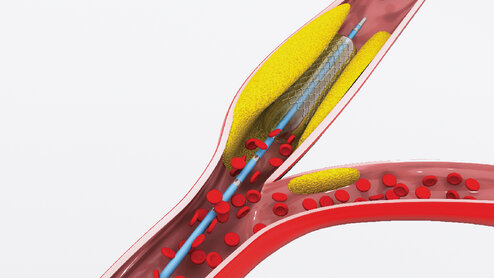
A silent heart attack, medically called a silent myocardial infarction (SMI), is a heart attack that occurs with no symptoms, very mild ones, or symptoms so unusual they are not recognized as cardiac. The mechanism is the same as any heart attack: a coronary artery becomes blocked, the blood supply to part of the heart muscle is cut off, and tissue is damaged.
Because warning signs are often missed, many people only find out they have one later, often during a routine check-up. What surprises many patients is just how common these silent events are.
Who Is Most at Risk of Missing the Warning Signs
It happens more often than people imagine. People with diabetes are at higher risk because nerve damage can reduce pain perception. Women commonly exhibit atypical symptoms like fatigue, nausea, jaw pain, or back discomfort instead of typical chest pain. Due to the increased frequency of atypical symptoms such as fatigue, breathlessness, or confusion in older individuals, they are less likely to identify a cardiac event.
The Subtle Signs to Watch For
Silent heart attack symptoms are rarely absent. They are usually present but easy to rationalize as something less serious, often unfolding gradually rather than striking suddenly. The most common include:
- Mild chest discomfort. A tightness, squeezing, or heaviness in the chest that may last only a few minutes. Often mistaken for indigestion or a pulled muscle.
- Unusual fatigue. Sudden, unexplained exhaustion out of proportion to activity, especially in women.
- Mild breathlessness. Feeling out of breath during light activity or at rest, without a respiratory cause.
- Aching in the jaw, neck, back, or left arm. A dull, radiating discomfort that does not feel obviously cardiac.
- Mild nausea or unexplained sweating. Vague digestive symptoms or breaking into a sweat without exertion.
None of these on its own confirms a heart attack. But any combination of them deserves prompt medical evaluation rather than a wait-and-see approach.
How Long Can These Events Last
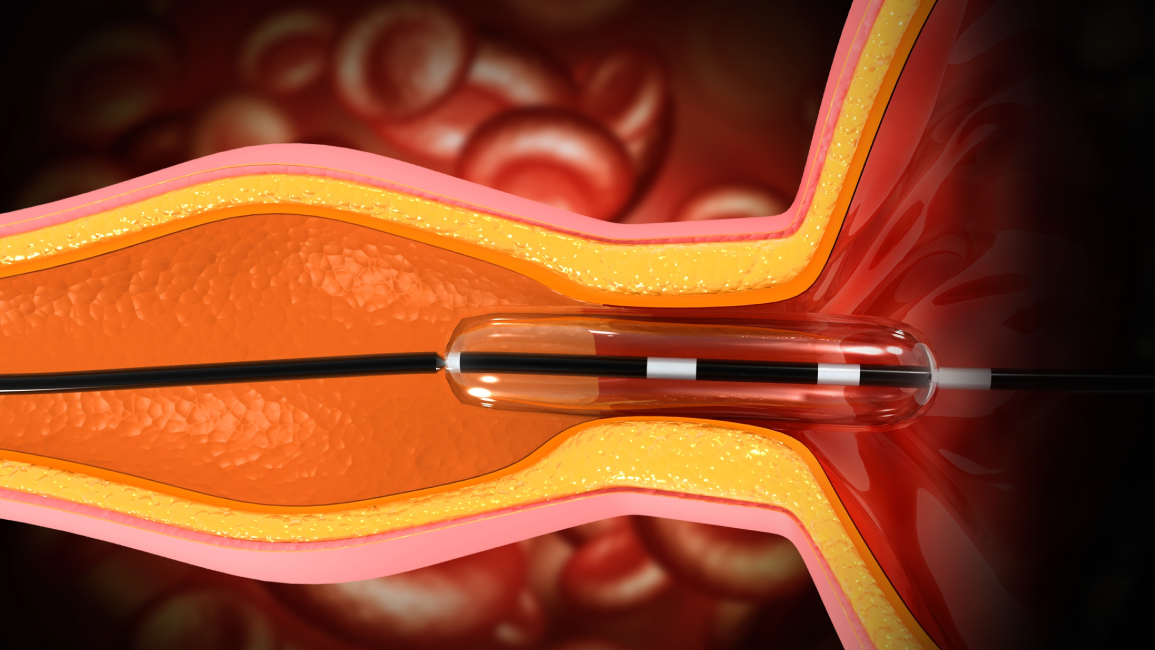
A heart attack begins when a coronary artery becomes blocked and continues until blood flow is restored or the affected tissue dies. Some events resolve within an hour if the artery reopens on its own, while others persist for hours if left untreated. Silent heart attacks may produce symptoms that last only a few minutes, but short duration does not mean minimal damage. The cardiac "golden hour" is real: the sooner a blocked artery is reopened, whether through heart balloon surgery (PCI) or clot-dissolving medication, the less heart muscle is lost.

What to Do If You Suspect a Recent Event
Recovery doesn’t negate the event - the artery might have reopened somewhat, or the event, though brief, could have been genuine. The damage can still be there.
If you suspect a recent event, see a cardiologist within 24 to 48 hours. An electrocardiogram (ECG) can detect signs of past cardiac damage in minutes, and a troponin blood test can confirm whether the heart muscle was injured. Prompt action is crucial, as individuals with a prior silent heart attack face a substantially increased likelihood of another cardiac event.
Common Risk Factors
Silent heart attacks share the same underlying causes as classic heart attacks. The strongest contributors are the same cardiac risk factors that drive coronary artery disease:
- High blood pressure and high LDL cholesterol, which drive the plaque buildup that causes arterial blockages
- Smoking, which accelerates arterial damage and clot formation
- Diabetes, which damages blood vessels and increases the risk of heart disease overall
- Age, with risk rising significantly for men over 45 and women after menopause or over 55
- Obesity and physical inactivity, both linked to the metabolic conditions that raise cardiac risk
- Family history of heart disease or a previous cardiac event
- Chronic stress, linked to long-term arterial inflammation and accelerated disease
How a Silent Heart Attack Is Diagnosed
Diagnosis usually happens after the fact through a combination of tests. An ECG is the first-line test and can detect electrical changes consistent with past or ongoing heart muscle damage. A troponin blood test measures proteins released when the heart muscle is injured.
An echocardiogram reveals scar tissue from a past event, while a cardiac MRI provides the most detailed imaging and can identify scarring that occurred years earlier. If significant blockage is suspected, coronary angiography maps the arteries and guides treatment decisions, including whether heart stent surgery is the right next step.

Cardiac Care at Nakornthon Heart Center
At Nakornthon Hospital's Heart Center, we offer a full cardiac diagnostic and treatment pathway under one roof, including ECG, echocardiography, troponin testing, cardiac imaging, and coronary angiography.
Our Biplane Digital Subtraction Angiography (Biplane DSA) technology produces exceptionally clear dual-plane images of the coronary arteries, allowing our specialists to visualize even small or complex vessels accurately. Balloon angioplasty with stent placement is performed by experienced interventional cardiologists. The Heart Center is open daily 07:00 to 20:00, with emergency cardiac services available around the clock through our hospital hotline, and our English-speaking cardiologists ensure clear communication for international patients.
When to Call Emergency Services Immediately
Mild symptoms still deserve urgent attention if new or in combination. Go to the nearest emergency department or call emergency services if you experience:
- Sudden chest pain, pressure, or tightness lasting more than a few minutes
- Chest discomfort spreading to the arm, jaw, neck, or back
- Sudden shortness of breath
- Sudden cold sweat, nausea, or lightheadedness
- Sudden loss of consciousness or near-fainting
A silent heart attack is not a close call that passes safely. It is a cardiac event that happened, caused damage, and left your heart at a higher risk of what may come next. If you have had unexplained symptoms recently, do not wait. Make an appointment at Nakornthon Heart Center today by calling +66-2450-9999.
Contact & Appointments - Heart Center
- Facebook Fanpage: Nakornthon Hospital - International Patient
- LINE Official: @nakornthoninter
- Open: Daily, Monday to Sunday, 7:00 AM to 8:00 PM
- Tel: 02-450-9999 1074-1075
Frequently Asked Questions About Silent Heart Attack
-
Q: Can you have a heart attack and not know it?
A: Yes. Silent heart attacks are particularly common in people with diabetes, women, and older adults, where symptoms are mild, unusual, or attributed to something else like fatigue or indigestion. The damage to the heart is still real.
-
Q: I think I had a heart attack, but now I feel fine. What should I do?
A: Feeling better does not mean nothing happened. A silent heart attack leaves detectable scarring on the heart muscle. See a cardiologist within 24 to 48 hours for an ECG and troponin blood test, which can confirm whether cardiac damage occurred.
-
Q: How long does a heart attack last?
A: Duration varies. Some events resolve within an hour if the artery reopens, while others continue for hours if untreated. Silent heart attacks often produce symptoms that last only a few minutes, but short duration does not mean minimal damage to the heart.

Free Online Consultation

Article of Heart Center


.jpg)