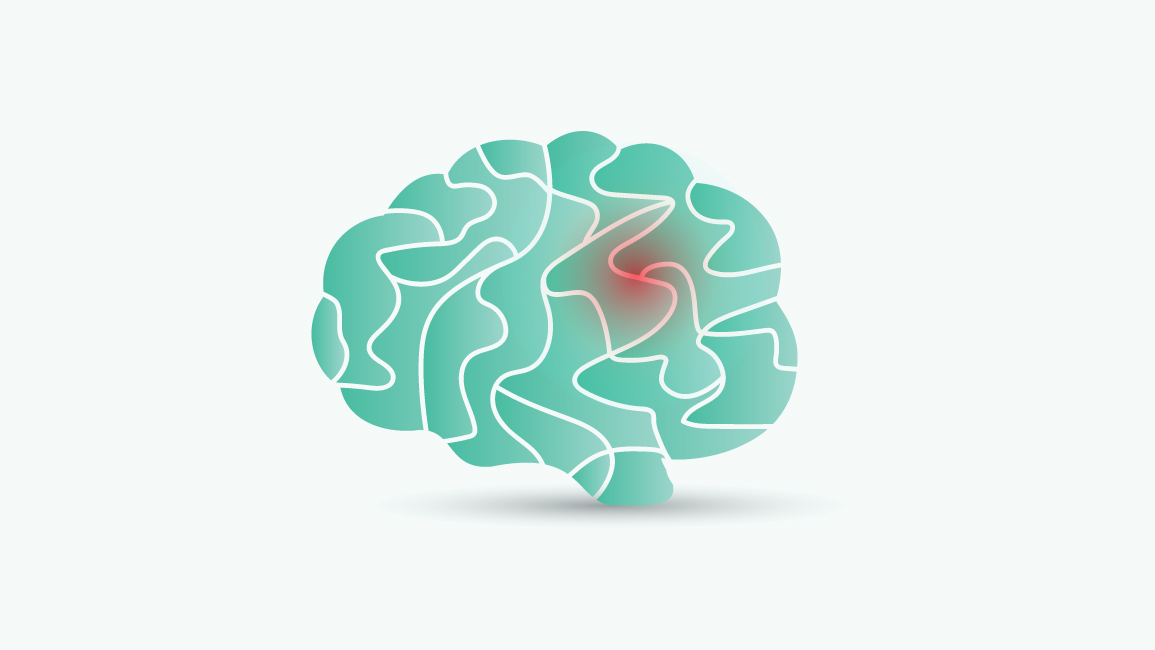
Normal vs. Unusual Age-Related Memory Changes
Center : Neurology Center
Article by : Dr. Roongthip Chaiteerakij
- Colorectal cancer is the third most common cancer in Thailand, but one of the most treatable when caught early.
- Most cases begin as polyps that can take years to turn cancerous, which gives screening a real window to work.
- Early-stage disease often has no symptoms, so warning signs like rectal bleeding and bowel changes matter.
- Risk rises after age 45, though one in five new diagnoses is now in patients under 55.
- Colonoscopy is the most important test because it can detect and remove polyps in a single procedure.
- Our Cancer Center provides personalized treatment through a multidisciplinary team of specialists.
In Thailand, colorectal cancer ranks as the third most prevalent cancer, with an increasing incidence among both genders. The positive aspect of this situation is that early detection makes it one of the most curable cancers.
The key lies in spotting colorectal cancer symptoms early, and acting on them can be the difference between a small procedure and a long treatment journey. Here’s what you should know.
Table of Contents
- What Normal Age-Related Memory Loss Looks Like
- Understanding Dementia and Alzheimer's Disease
- Signs of Memory Loss That Go Beyond Aging
- Why Early Assessment of Memory Changes Matters
- How the Neurology Center Supports Memory Healt
- Frequently Asked Questions About Memory Loss in Old Age
- Free Online Consultation with a Specialist
What Normal Age-Related Memory Loss Looks Like
The aging brain undergoes changes, making information recall slightly slower. This is typically not severe, occurs infrequently, and is a natural sign of aging. Here are some common, harmless changes:
- Forgetting a name or an appointment, then remembering it later.
- Misplacing everyday items from time to time.
- Needing an extra moment to learn something new.
- Walking into a room and briefly forgetting why.
Although these occasional memory slips can be annoying, they don’t interfere with a person’s independence, decision-making abilities, or daily life. Forgetfulness can be brought on by stress, tiredness, and lack of sleep, regardless of age.
Understanding Dementia and Alzheimer's Disease
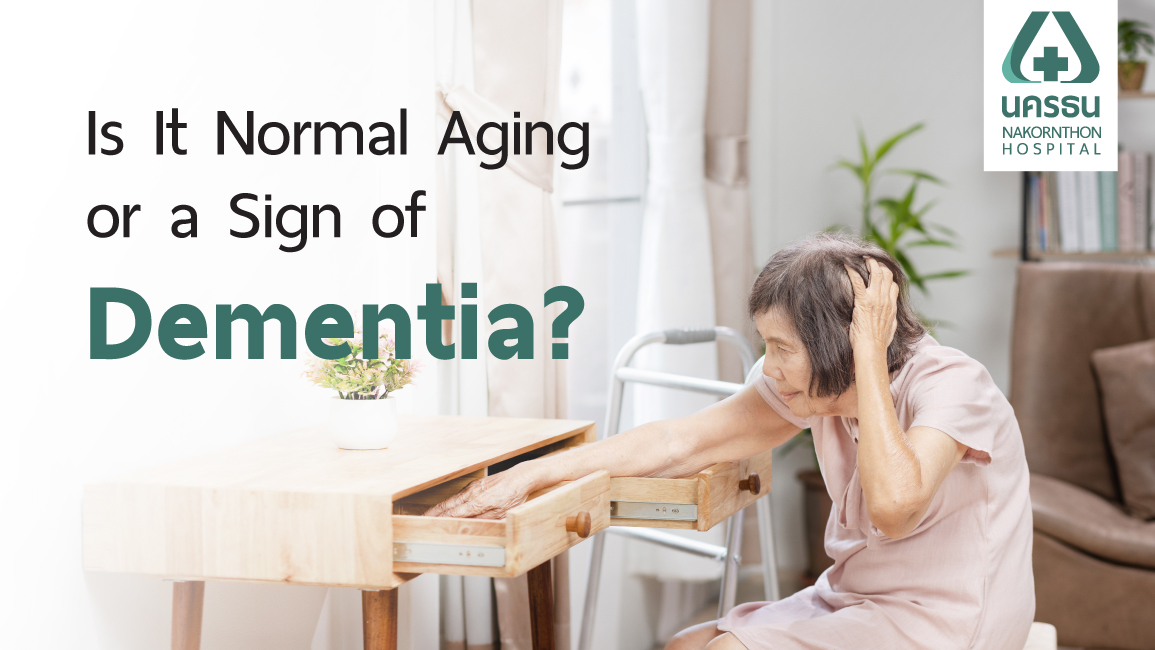
Dementia refers to symptoms, which include a decline in memory, thinking, and reasoning, that are caused by changes in the brain. It is not a normal part of aging.
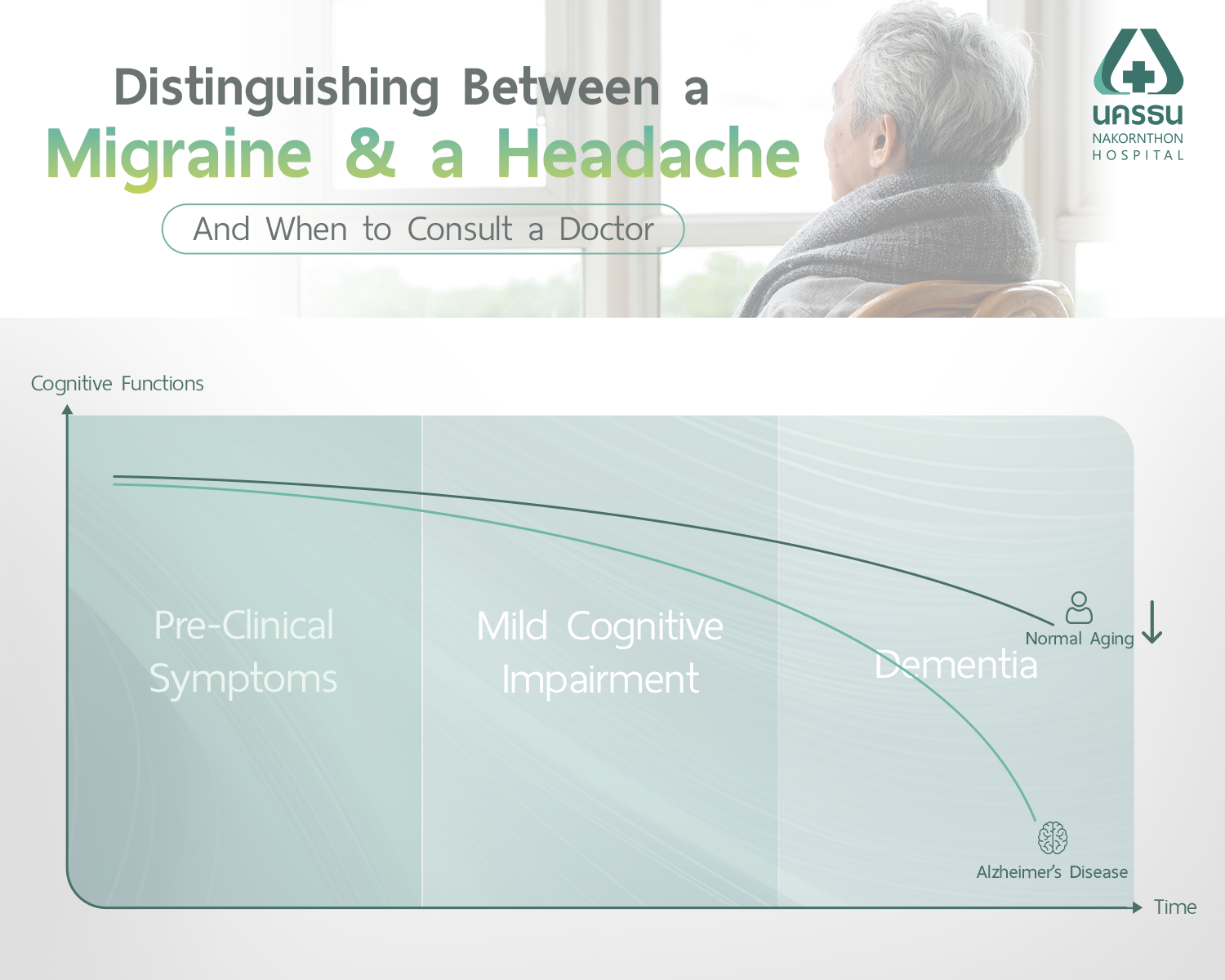
Alzheimer's disease is the most common cause of dementia. It is progressive, so symptoms start mild and worsen over time. Other causes include vascular disease, Lewy body disease, frontotemporal dementia, etc.
The clearest way to tell whether memory loss is related to dementia or normal aging is by its impact. Normal aging brings occasional lapses, while dementia causes a steady decline severe enough to interfere with work, relationships, and self-care.
Signs of Memory Loss That Go Beyond Aging
These symptoms are distinct as they tend to reappear, escalate, and disrupt routine activities. A doctor’s consultation is recommended if some of these resonate with you:
- Memory loss that disrupts daily life, such as repeatedly forgetting recent information or asking the same questions.
- Difficulty completing familiar tasks at home or work.
- Confusion about time, dates, or familiar places.
- Trouble following or joining conversations.
- Misplacing items in unusual places, with no way to retrace steps.
- Poor judgment in everyday decisions.
- Changes in mood, personality, or social engagement.
If you care for an older relative, keep a dated note of what you notice. Concrete examples help a doctor far more than a vague sense that something is off.

Why Early Assessment of Memory Changes Matters
There are many advantages to booking an early assessment for your loved one as soon as you notice unusual symptoms. An early evaluation can:
- Rule out treatable, often reversible causes, such as vitamin deficiencies, thyroid problems, medication side effects, depression, or poor sleep.
- Give families time to plan and access support if dementia is involved.
- Provide clarity and peace of mind, whatever the result.
Bring a list of any current medications to the appointment so the assessment is as accurate as possible.
How the Neurology Center Supports Memory Healt
The Neurology Center at Nakornthon Hospital cares for memory-related conditions, from age-related forgetfulness to Alzheimer's disease, and even brain tumor treatment in Thailand, with treatment led by experienced neurologists. Assessments use international standard evaluation forms to build a plan tailored to each patient. Diagnostic tools at the Center include:
- MoCA cognitive assessment, a recognized cognitive screening tool.
- MRI and MRA brain imaging for a detailed view of the brain and its blood vessels.
- CT scan.
- Electroencephalography (EEG).
Prompt action is crucial when you observe memory shifts in someone you care about. A professional evaluation offers the necessary clarity for planning their subsequent care. Visit our Neurology Center on the 1st Floor of Nakornthon Hospital, 1 Rama II Road, Soi 56, Samaedam, Bangkhuntien, Bangkok 10150. We are open daily from 08.00 to 20.00 hrs. To speak with a specialist, call 0-2450-9999 ext. 1050 to 1051, or book a free online consultation for initial guidance.
Contact & Appointments - Neurology Center
- Facebook Fanpage: Nakornthon Hospital - International Patient
- LINE Official: @nakornthoninter
- Tel: 02-450-9999 1233
Frequently Asked Questions About Memory Loss in Old Age
-
Q: What is normal age-related memory loss?
A: It is the mild, occasional forgetfulness that comes with a healthy aging brain, such as taking longer to recall a name or briefly misplacing an item. It does not interfere with daily life or independence.
-
Q: Is memory loss in old age always a sign of dementia?
A: No. Most memory loss in old age is mild and a normal part of aging. It becomes a concern only when it is frequent, worsening, and disruptive to daily tasks, judgment, or routines.
-
Q: What is the difference between old age and dementia?
A: Normal aging brings occasional lapses that do not affect independence. Dementia causes a progressive decline in memory, thinking, and reasoning that is severe enough to interfere with everyday life. The key difference is the impact on daily function
-
Q: Which is worse, dementia or Alzheimer's?
A: They are not separate conditions to compare. Dementia is an umbrella term for a group of diseases, and Alzheimer's disease is the most common cause of dementia. What matters is identifying the underlying cause, because it guides treatment and care..
-
Q: When should I see a doctor about memory changes?
A: Seek an assessment when forgetfulness repeatedly disrupts daily life, makes familiar tasks difficult, or comes with confusion, mood changes, or language problems. An early check-up can also rule out treatable causes.

Free Online Consultation
Pacakages and Promotions
Article of Neurology Center