A Practical Guide to Rotator Cuff Surgery Recovery
Center : Orthopedics Center, Orthopedics Center
Article by : Dr. Prakasit Chanasit
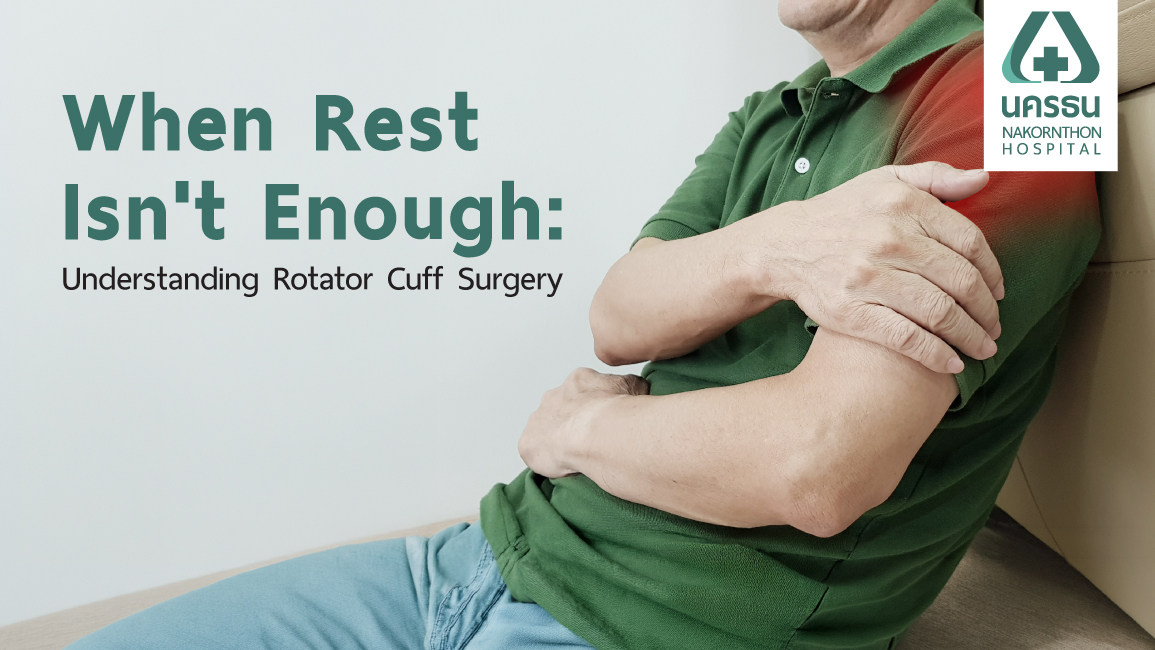
- Rotator cuff surgery recovery is gradual but predictable, with most patients regaining adequate shoulder strength within about six months.
- Recovery follows four phases over roughly 12 months, starting with sling protection and passive motion before progressing to strengthening and return to sport.
- Rotator cuff surgery recovery time depends on tear size, surgical technique, age, tissue quality, and how closely you follow your physical therapy plan.
- Small tears typically heal in about four months, larger tears in around six, and massive tears can take up to 12 months for full recovery.
- Wearing the sling as directed, starting physical therapy early, and avoiding lifting or overhead reaching until cleared are the most important things you can do to support healing.
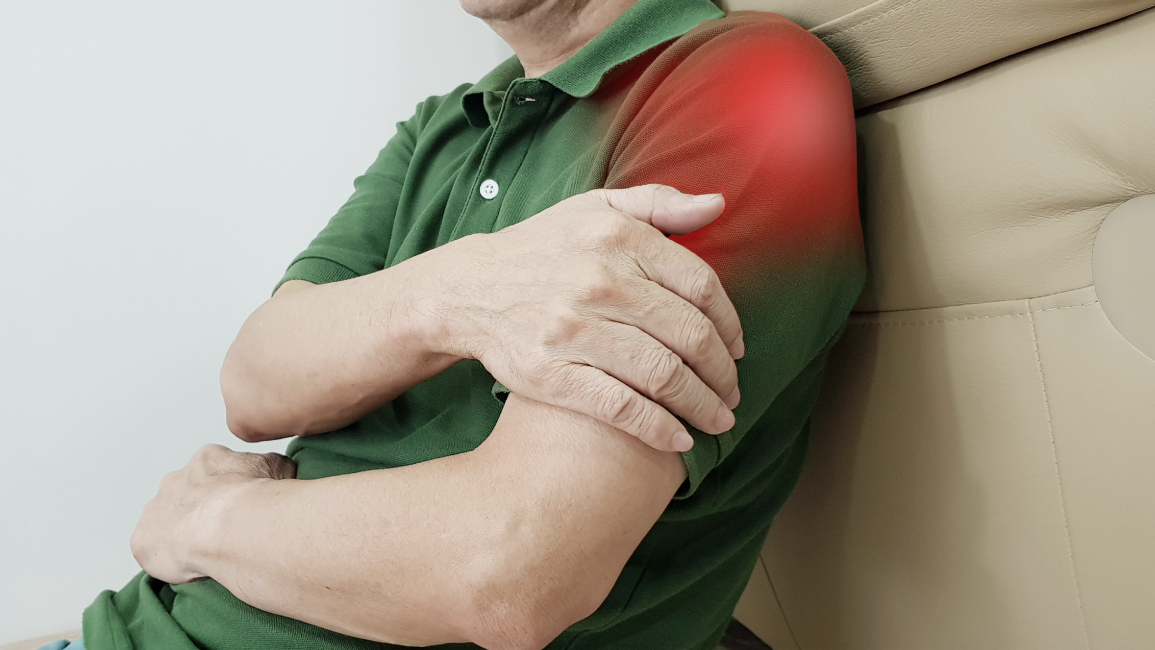
A torn rotator cuff can quietly disrupt almost every part of daily life. Reaching for a kettle, sleeping on your side, lifting a bag into an overhead compartment, or returning a serve on the tennis court can all become painful or impossible. The good news is that once surgery is done, rotator cuff surgery recovery is gradual but predictable when guided by a specialist. Knowing what to expect at each stage helps you heal faster, avoid setbacks, and make confident decisions about work, sport, and activity along the way. This guide walks you through what the procedure involves, how long the recovery typically takes, and the daily habits that make the biggest difference to the final outcome.
Table of Contents
What Is Rotator Cuff Surgery?
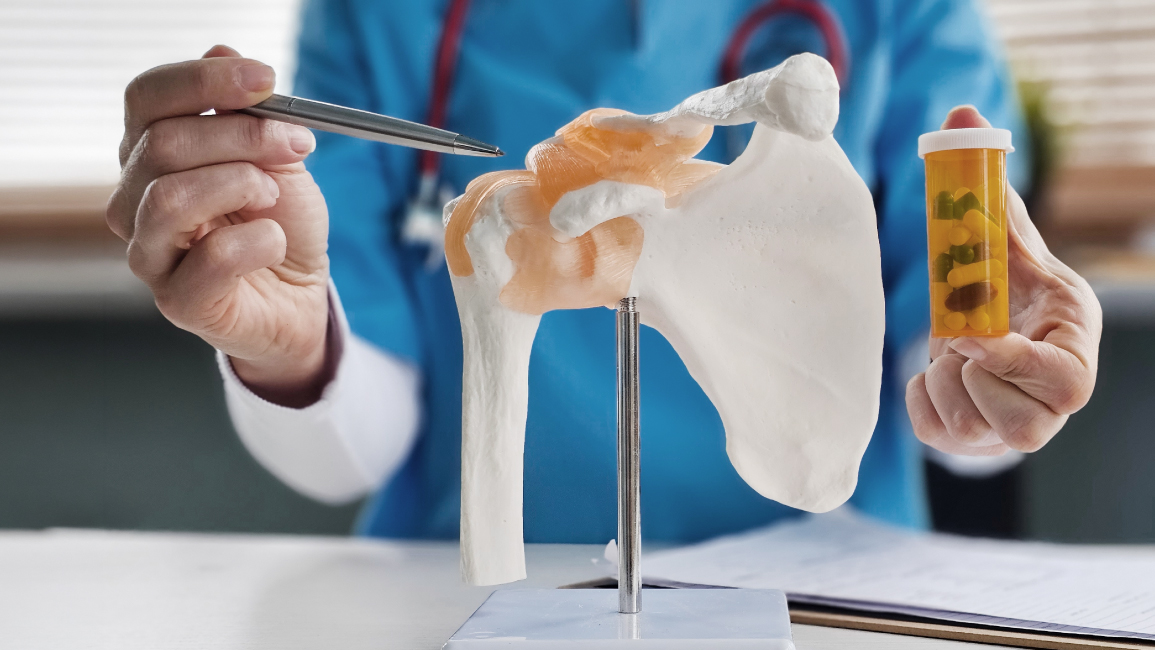
The rotator cuff is a group of four muscles and their tendons, namely the supraspinatus, infraspinatus, teres minor, and subscapularis. Together they stabilize the shoulder joint and allow the arm to lift, rotate, and reach in nearly every direction. When one or more of these tendons tear, the head of the upper arm bone loses its anchor and the shoulder weakens.
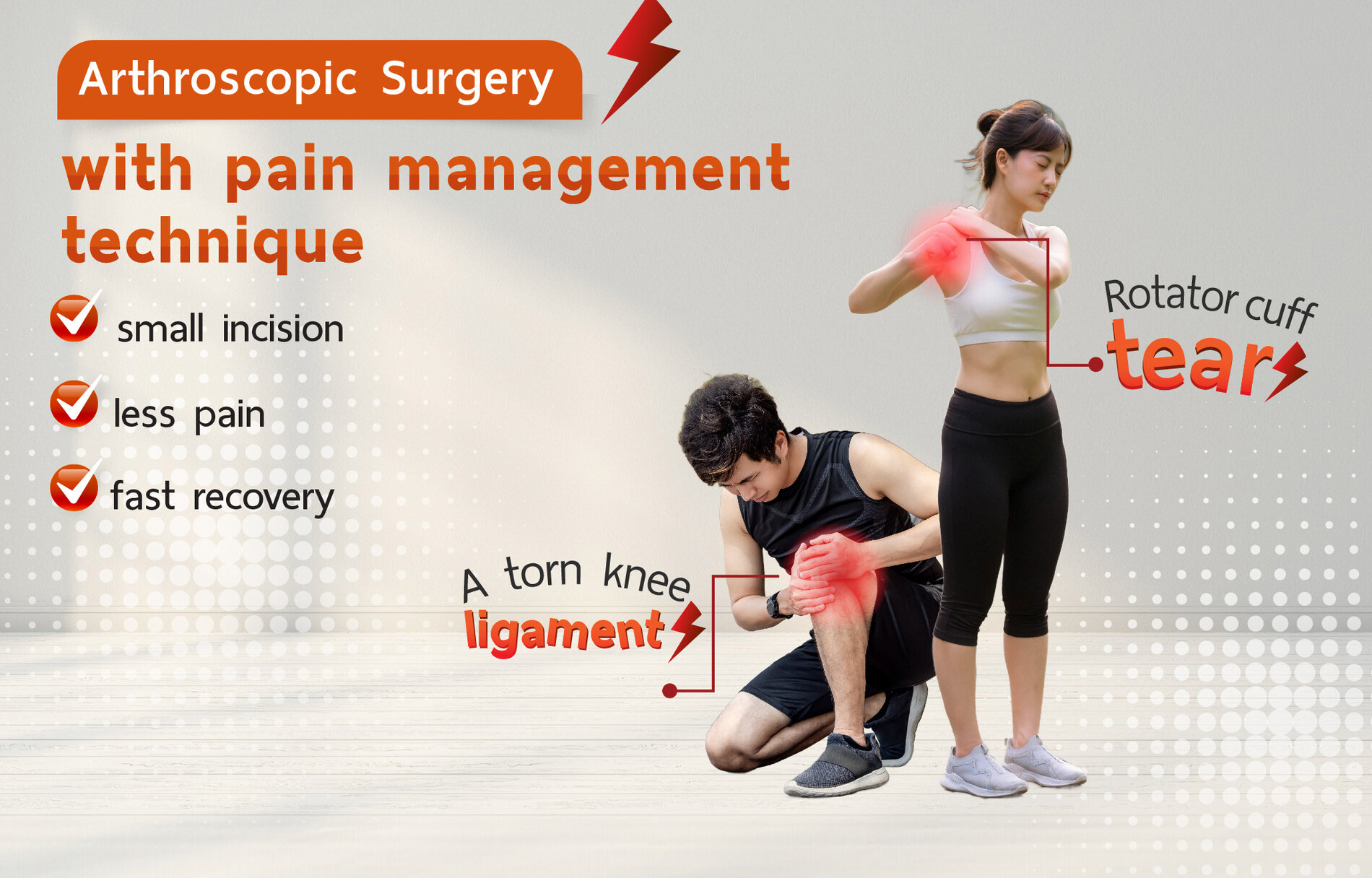
Rotator cuff surgery reattaches the torn tendon to the upper arm bone, typically using small suture anchors that hold the tendon in place while it heals. Most procedures are performed arthroscopically, through small incisions and a camera, on an outpatient basis. Larger or more complex tears may require open surgery with a longer incision.
Who Needs Rotator Cuff Surgery?
Not every rotator cuff tear requires surgery, but it is often recommended when the damage is significant or non-surgical care has not worked. You may be a candidate if you have a full-thickness rotator cuff tear, a partial tear that has not improved after six to 12 weeks of physical therapy, or significant shoulder weakness, persistent pain, or loss of function. Active individuals and athletes who need to regain full overhead strength are also commonly advised to consider surgical repair sooner rather than later, as tears tend to enlarge over time and become harder to repair if left alone.
The Recovery Timeline
Healing happens in four overlapping phases. Your rotator cuff surgery recovery time within each phase depends on your tear and your progress, but the structure below is what most patients can expect.
- Phase 1, Weeks 0 to 6. The sling is worn continuously, including while sleeping, to protect the repair. Only passive motion is allowed, where a therapist or your other hand moves the arm for you.
- Phase 2, Weeks 6 to 12. The sling is gradually removed and active-assisted exercises begin, slowly restoring range of motion.
- Phase 3, Months 3 to 6. Strengthening and range-of-motion training take center stage. Light resistance work is introduced under your therapist's guidance.
- Phase 4, Months 6 to 12. Return to full activity, including sport. Non-contact sport is usually possible at six months, while contact sport typically waits until nine to 12 months.
Total recovery is about four months for small tears, around six months for larger tears, and up to 12 months for massive tears. Tendon healing to bone itself takes about eight to 12 weeks, which is why protecting the repair early matters so much.

Factors That Affect Recovery
Every shoulder is different, and several factors influence how long your healing takes. The size and severity of the tear are the strongest predictors, with massive or retracted tears taking longest. Surgical technique matters too, though arthroscopic and open repairs achieve similar long-term outcomes when performed by experienced surgeons. The quality of the tendon tissue at the time of repair also plays a role, as chronic tears tend to involve weaker, more degenerated tissue.
Age, overall health, and lifestyle factors are equally important. Older adults, people with diabetes, and those who smoke generally heal more slowly because each of these factors reduces blood flow to the tendon and slows tissue repair. Adherence to physical therapy and post-operative instructions is the factor most within your control, and it consistently makes the biggest day-to-day difference in how smoothly recovery goes.
How to Support Healing
Once surgery is done, your daily habits become part of the treatment. The following steps protect your repair and help your shoulder return to full function:
- Wear the sling exactly as instructed, usually for four to six weeks.
- Start physical therapy early, often within the first week, and attend every session.
- Manage pain with prescribed medication, ice in short sessions, and rest.
- Avoid lifting, pushing, pulling, or reaching overhead until your surgeon clears you.
- Eat a balanced diet, stay hydrated, and prioritize sleep to support tissue repair.
- Watch for warning signs such as fever, increasing redness, or worsening pain, and contact your surgeon promptly if any appear.
Patience is the quiet ingredient. Pushing the shoulder too soon is the most common reason for a repair to fail, and the timeline above exists precisely to prevent that.
Recover With Confidence at Nakornthon Hospital
Choosing the right team shapes the entire course of your recovery. The Orthopedics Center at our orthopedic hospital in Thailand offers expert diagnosis, arthroscopic rotator cuff surgery, and structured rehabilitation programs designed around each patient's tear and lifestyle. Care is delivered by experienced orthopedic surgeons and physical therapy specialists working together, so the surgical plan and the rehabilitation plan are aligned from day one.
If you are searching for an experienced orthopedic doctor in Bangkok, book a consultation with the Orthopedics Center at Nakornthon Hospital today by calling +66-2450-9999 for a thorough evaluation and a recovery plan built around your shoulder, your goals, and your timeline.
Contact & Appointments - Orthopedics Center
- Facebook Fanpage: Nakornthon Hospital - International Patient
- LINE Official: @nakornthoninter
- Open: Daily, Monday to Sunday, 8:00 AM to 9:00 PM
- Tel: 02-450-9999 1108-1109
Frequently Asked Questions About Rotator Cuff Surgery Recovery
-
Q: How long does it take to recover from rotator cuff surgery?
A: Most patients reach adequate shoulder strength within about six months, with full recovery typically taking four months for small tears, around six months for larger tears, and up to 12 months for massive tears. The tendon itself heals to the bone over the first eight to 12 weeks, but strengthening and return to full activity continue well beyond that.
-
Q: When can I stop wearing the sling after rotator cuff surgery?
A: The sling is usually worn continuously for four to six weeks, including while sleeping. Your surgeon will give you a specific timeline based on the size of your tear and the technique used. Removing the sling too early is one of the most common causes of repair failure.
-
Q: When can I return to work or sport?
A: A desk job is often possible within one to two weeks, while physically demanding work usually requires three to six months. Non-contact sport can typically resume around six months, and contact sport between nine and 12 months. Your surgeon and physical therapist will confirm when each step is safe for you.
-
Q: Where can I find the best orthopedic hospital in Thailand for rotator cuff surgery?
A: Look for an orthopedic hospital in Thailand with experienced surgeons, arthroscopic surgery capability, and an in-house structured rehabilitation program. The Orthopedics Center at Nakornthon Hospital brings all three together on one campus, with care coordinated between surgeons and physical therapists from the day of consultation through full recovery.
Free Online Consultation
Article of Orthopedics Center, Orthopedics Center
High-Speed CT scan 443 Slices: Precision, Speed, and Reduced Radiation Exposure