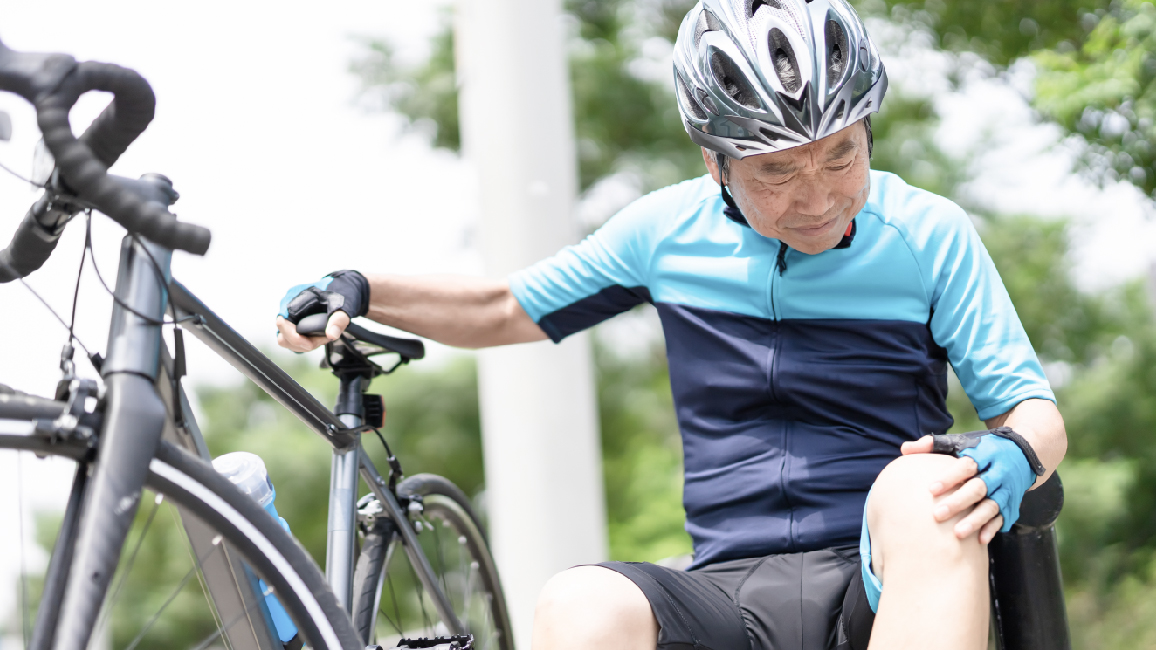
What Is Arthroscopic Surgery? Procedure & Recovery Guide
Center : Orthopedics Center
Article by : Dr. Nithiwut Pinsiranon
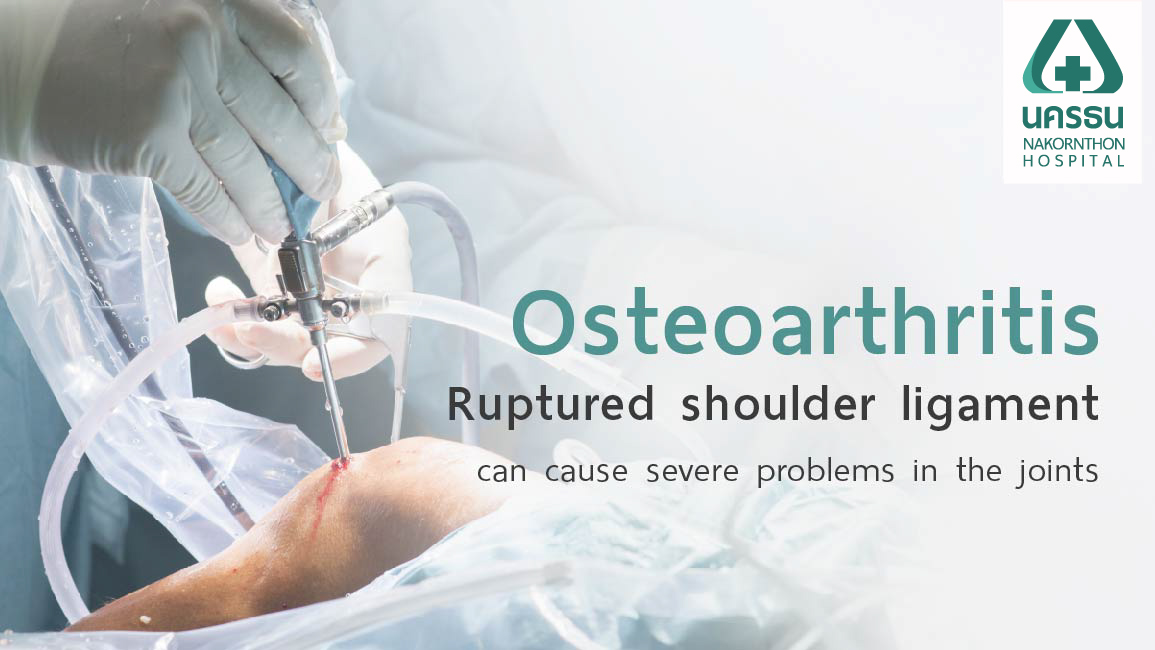
- Arthroscopic surgery is a minimally invasive procedure that examines and treats joint problems through incisions of just 0.8–1.0 cm, using a small camera and precision instruments guided by a monitor.
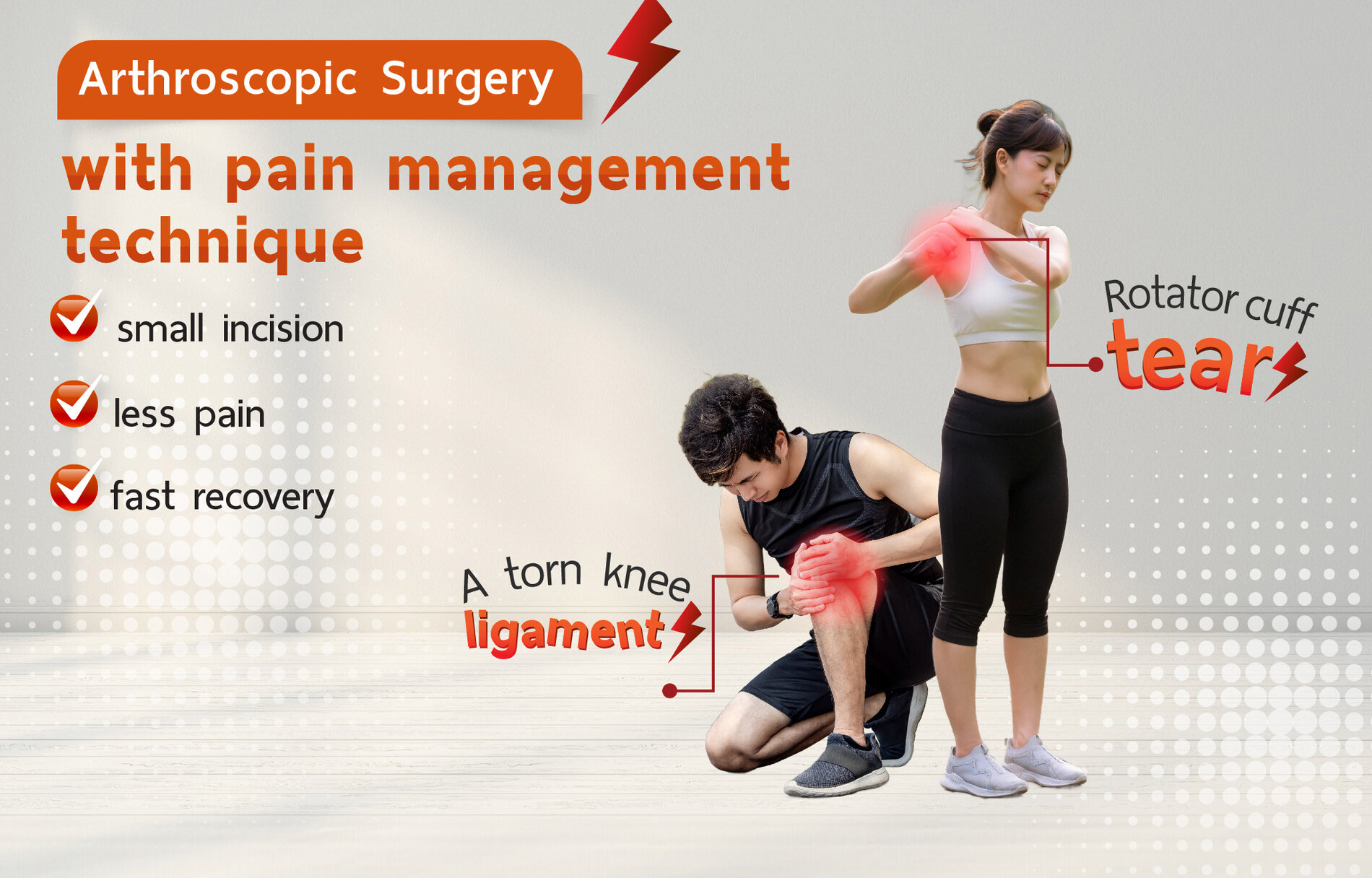
- It treats a wide range of joint conditions, including torn meniscus, ACL and PCL tears, rotator cuff injuries, frozen shoulder, cartilage damage, and osteoarthritis with loose fragments in the knee.
- When comparing arthroscopy vs open surgery, arthroscopy produces less post-operative pain, smaller scars, a lower infection risk, a shorter hospital stay, and a faster return to daily activities.
- The procedure takes 30 minutes to 2 hours under regional or general anesthesia, and most patients go home the same day or the following morning.
- Arthroscopic knee surgery recovery follows a structured timeline: walking with support within days, light daily activities by weeks 3–6, and a gradual return to sport from 6 weeks to 12 months, depending on the procedure.
- Physiotherapy is essential after surgery; consistent rehabilitation is one of the most important factors in achieving a full, durable recovery.
- Nakornthon's Orthopedics Center provides complete care from pre-operative imaging and assessment to arthroscopic surgery by specialist orthopedic surgeons, and structured post-operative rehabilitation.
Joint pain from an injury, inflammation, or osteoarthritis does not always require traditional open surgery to treat. Arthroscopic surgery, a minimally invasive approach that accesses the inside of a joint through tiny incisions, has become the standard of care for a wide range of knee, shoulder, and other joint conditions. It delivers the same diagnostic accuracy and treatment capability as open surgery, with significantly less pain, a lower infection risk, and a much faster recovery.
Whether the cause is a sports injury, a workplace accident, chronic inflammation, or age-related osteoarthritis, arthroscopic surgery gives orthopedic surgeons a direct view inside the affected joint and the ability to repair it, all through incisions less than a centimeter wide.
At Nakornthon Hospital’s Arthroscopic Surgery Orthopedics Center, our specialist orthopedic surgeons perform arthroscopic procedures using advanced imaging equipment and precision instruments, with coordinated pre-operative, surgical, and rehabilitation care for every patient.
Table of Contents
- What is Arthroscopic Surgery?
- Arthroscopy vs. Open Surgery: Key Differences
- Conditions Treated with Arthroscopic Surgery
- The Arthroscopy Procedure Explained
- The Advantages of Arthroscopic Surgery
- Arthroscopic Knee Surgery Recovery Timeline
- Why Choose Nakornthon Hospital for Arthroscopic Surgery?
- Frequently Asked Questions About Arthroscopic Surgery
- Free Online Consultation with a Specialist
What is Arthroscopic Surgery?
Arthroscopic surgery is a minimally invasive surgical procedure in which an orthopedic surgeon inserts a thin instrument called an arthroscope into a joint through a small skin incision. The arthroscope is essentially a narrow tube, about the diameter of a pencil, with a high-definition camera and a light source at its tip. The camera transmits real-time images to a monitor, giving the surgeon a clear, magnified view of the joint's internal structures: the cartilage, ligaments, tendons, and joint lining.
What makes arthroscopy valuable as both a diagnostic and a treatment tool is that the surgeon can pass small, specialized instruments through additional tiny incisions alongside the arthroscope, allowing them to repair, trim, or remove damaged tissue in the same session that they are examining the joint. In many cases, a condition that is identified during an arthroscopic examination can be treated immediately, without scheduling a separate procedure.
Arthroscopy vs. Open Surgery: Key Differences
The core question most patients ask is a practical one: what actually changes when arthroscopic surgery is used instead of traditional open surgery? Both approaches aim to relieve pain and restore joint function; the difference lies in how they access the joint and what that means for the patient's recovery.
In conventional open surgery, the surgeon makes a single larger incision directly over the joint and moves or cuts through the surrounding soft tissue to gain a clear view of the structures inside. This provides direct, unobstructed access but causes more trauma to the muscles and tissues around the joint.
Arthroscopic surgery accesses the same joint through two to four incisions of just 0.8–1.0 cm each, small enough that sutures are often not required, and scars that remain are minimal. Because the camera provides the surgeon's view rather than direct visibility, the surrounding tissue does not need to be cut or displaced.
Conditions Treated by Arthroscopic Surgery
Knee Conditions
The knee is the joint most commonly treated with arthroscopy. Conditions that respond well to arthroscopic knee surgery include:
- Torn meniscus — the most common indication for arthroscopic knee surgery; the torn portion can be trimmed (partial meniscectomy) or repaired, depending on the location and nature of the tear.
- ACL and PCL ligament tears — ligament reconstruction using a graft is one of the most technically demanding but well-established arthroscopic procedures.
- Cartilage damage and loose bodies — damaged cartilage can be smoothed or repaired, and loose bone or cartilage fragments can be removed from the joint space.
- Osteoarthritis — in selected cases, arthroscopy can relieve symptoms by washing out the joint and removing loose fragments, particularly when pain, swelling, or locking is present.
- Inflammatory joint conditions — including rheumatoid arthritis affecting the knee that has not responded adequately to medication; the inflamed joint lining (synovium) can be partially removed to reduce pain and swelling.
Shoulder Conditions
Shoulder arthroscopy is the second most common type and addresses a range of soft tissue conditions:
- Rotator cuff tears — partial or complete tears of the rotator cuff tendons can be repaired arthroscopically in most cases, avoiding the larger incision of open shoulder surgery.
- Shoulder instability and recurrent dislocation — the stretched or torn labrum (cartilage rim around the shoulder socket) can be reattached and tightened.
- Frozen shoulder (adhesive capsulitis) — the thickened, contracted joint capsule can be released to restore range of motion.
- Shoulder impingement syndrome — bone spurs or thickened tissue pressing on the rotator cuff can be removed to decompress the joint.
- Labral tears — tears of the cartilage around the shoulder socket — can be repaired or trimmed.
Other Joints
Arthroscopy is also used to diagnose and treat problems in the hip, ankle, elbow, and wrist, including loose bodies, cartilage damage, ligament injuries, and inflammatory conditions. While less common than knee and shoulder arthroscopy, the same minimally invasive principles apply.

The Arthroscopy Procedure Explained
Arthroscopic surgery is considered a diagnosis and treatment procedure at the same time. This can be done by using local anesthesia, general anesthesia, or regional anesthesia. The patient will be prepared for the joint surgery just like any major surgery to prevent infection.
Before Surgery — Pre-Operative Assessment
Before the procedure, your orthopedic surgeon reviews your medical history, performs a physical examination of the joint, and may order X-rays or MRI scans to plan the surgery. Pre-operative blood tests and an anesthesia assessment are standard. You will receive specific instructions about fasting before the procedure (typically nothing to eat or drink for at least 6 hours), adjusting blood-thinning medications or diabetes medications, and what to arrange for your recovery at home.
During the Procedure
The surgeon makes two to four incisions of 0.8–1.0 cm around the joint. The arthroscope, a 4-mm camera, is inserted through one incision; sterile fluid is introduced to expand the joint space and improve visibility. Specialized surgical instruments are inserted through the remaining incisions. The surgeon works while viewing the joint structures on a high-definition monitor, performing whatever repair, removal, or reconstruction is needed. Most arthroscopic procedures take between 30 minutes and 2 hours, depending on the joint and the complexity of the repair.
After Surgery — Immediate Recovery
After the procedure, patients recover in a monitored area while the effects of anesthesia wear off. Many arthroscopic surgeries are performed as day procedures. Patients go home the same day, often within a few hours of the procedure. Some patients may stay one night depending on the complexity of the surgery and their general health.
The Advantages of Arthroscopic Surgery
Advances in arthroscopic surgery technology, wherein there is a very small surgical incision, result in a surgical wound that can be barely visible when healed. The tissue surrounding the joint experience less trauma from large surgical incisions. Recovery of movement of the joints after an arthroscopic knee surgery is faster. This results in a much shorter recovery and healing time of arthroscopy vs open surgery. Also, not having an open wound can reduce the infection after surgery, which is beneficial, especially for patients with diabetes. This reduces hospitalization time, saving on the cost of treatment.
The key advantages include:Minimal incisions and reduced scarring: Incisions of 0.8–1.0 cm heal with very small scars. In many cases, almost invisible once fully healed. No joint membranes need to be cut, and the surrounding muscle and tissue sustain significantly less trauma than in open procedures.
Less post-operative pain: Because tissue disruption is minimized, most patients experience considerably less discomfort after arthroscopic surgery vs after open surgery for the same joint condition.
Lower infection risk: Smaller wounds mean less exposure and a shorter healing window, and particularly important for those with diabetes or compromised immune function, who are at higher baseline infection risk with larger wounds.
Faster recovery: Reduced tissue trauma translates directly into faster restoration of joint movement and function. Patients return to light daily activities in weeks rather than the months typically required after open joint surgery.
Shorter hospital stay: Most arthroscopic procedures are performed as same-day or overnight cases, reducing both the disruption of a hospital admission and the associated costs.
Diagnostic and therapeutic in one session: Arthroscopy provides direct visual confirmation of a diagnosis and, in most cases, allows the surgeon to treat the identified problem immediately, without requiring a second procedure.
Arthroscopic Knee Surgery Recovery Timeline
Recovery after arthroscopic knee surgery is faster vs open knee surgery procedures, but the precise timeline depends on the type of repair performed, the patient's age and general fitness, and how consistently they follow the rehabilitation program.
Here’s what to expect:- Day 1–3: Most patients go home the same day or the day after surgery. Walk short distances with crutches; keep the leg elevated and apply ice to manage swelling and discomfort.
- Weeks 1–2: Stitches are removed (if used); pain and swelling decrease progressively; gentle range-of-motion and early strengthening exercises begin under physiotherapist guidance.
- Week 3–6: Walking with more confidence, often without an assistive device; physiotherapy continues; many patients return to desk-based work during this period.
- Week 6–12: Most daily activities become comfortable; a return to light sport such as swimming or cycling may be possible with surgeon approval.
- 3–6 months: Continued strength and balance rehabilitation; gradual return to higher-demand activities and sport, depending on the type and complexity of surgery.
After Arthroscopic Knee Surgery: Recovery Tips for Faster Healing
- Apply ice and keep the leg elevated in the first few days to reduce swelling and discomfort.
- Follow your physiotherapist's exercise program consistently. This is one of the most important factors in the quality of your long-term outcome.
- Increase activity levels gradually and only as directed by your surgeon. Returning too quickly to weight-bearing or sport is the most common cause of setbacks.
- Avoid smoking as it significantly impairs tissue healing and increases the risk.
- Maintain a healthy weight to reduce load on the recovering joint.
- Attend all scheduled follow-up appointments so your surgeon can monitor healing and progress your rehabilitation appropriately.
Why Choose Nakornthon Hospital for Arthroscopic Surgery?
Nakornthon Hospital's Orthopedics Center provides arthroscopic surgery performed by specialist orthopedic surgeons using advanced imaging and precision minimally invasive equipment. Our center manages the complete care pathway, from pre-operative assessment and imaging to anesthesia planning, the surgical procedure itself, and a structured post-operative rehabilitation program, coordinated by a team that includes orthopedic surgeons, anesthesiologists, and physiotherapists.
For patients with knee, shoulder, or other joint conditions that require surgical assessment or treatment, Nakornthon Hospital offers the combination of specialist expertise, modern equipment, and English-language support that international patients and Bangkok expatriates need when navigating orthopedic care.
Make an Appointment or find a doctor for a free online consultation
- Facebook Fanpage: Nakornthon Hospital - International Patient
- LINE Official: @nakornthoninter
- Tel: 02-450-9999 (Available 24 hours)
Frequently Asked Questions About Arthroscopic Surgery
-
Q: How long does arthroscopic knee surgery take?
A: Most arthroscopic knee procedures take between 30 minutes and 2 hours, depending on the type and complexity of the repair. A straightforward partial meniscectomy is typically on the shorter end; ACL reconstruction or multi-structure repairs take longer. Your surgeon will give you a more specific estimate based on your individual procedure during the pre-operative consultation.
-
Q: How soon can I walk after arthroscopic surgery?
A: Most patients are able to walk short distances, with crutches if needed, within 24 hours of arthroscopic knee surgery. How quickly you progress to walking unaided depends on the procedure performed. After a diagnostic arthroscopy or minor trim, many patients walk without assistance within a few days. After ACL reconstruction or a complex repair, crutches may be needed for several weeks. Your physiotherapist will guide your weight-bearing progression based on your specific surgery and healing.
-
Q: Is arthroscopic surgery done under general anesthesia?
A: It depends on the joint and the procedure. Arthroscopy can be performed under regional anesthesia (which numbs the specific area), general anesthesia (where the patient is fully asleep), or in minor cases, local anesthesia. Regional anesthesia is commonly used for knee and ankle arthroscopy; general anesthesia is more typical for shoulder procedures and more complex repairs. Your anesthesiologist will recommend the most appropriate type based on the procedure and your medical history.
-
Q: Will I need physiotherapy as part of my recovery plan after arthroscopic knee surgery?
A: Yes, physiotherapy is an essential part of arthroscopic knee surgery recovery. The muscles around the knee weaken during the period of reduced activity after surgery, and a structured rehabilitation program is what restores full strength, stability, and range of motion. The program typically begins with gentle exercises in the first week and progresses over weeks and months based on what was repaired.
-
Q: When can I return to sports after arthroscopy?
A: Return to sport depends entirely on the procedure performed and your individual recovery progress. After minor procedures such as a meniscal trim, many patients return to light sport within 6–12 weeks. After ACL reconstruction or rotator cuff repair, a full return to competitive or high-demand sport typically takes 6–12 months as the healing of the graft or repair, combined with full neuromuscular rehabilitation, cannot be safely rushed. Your surgeon will clear you for specific activities based on clinical milestones.
Free Online Consultation
Article of Orthopedics Center
High-Speed CT scan 443 Slices: Precision, Speed, and Reduced Radiation Exposure