How Is Cancer Treated? A Guide to Modern Treatment Options
Center : Cancer Center
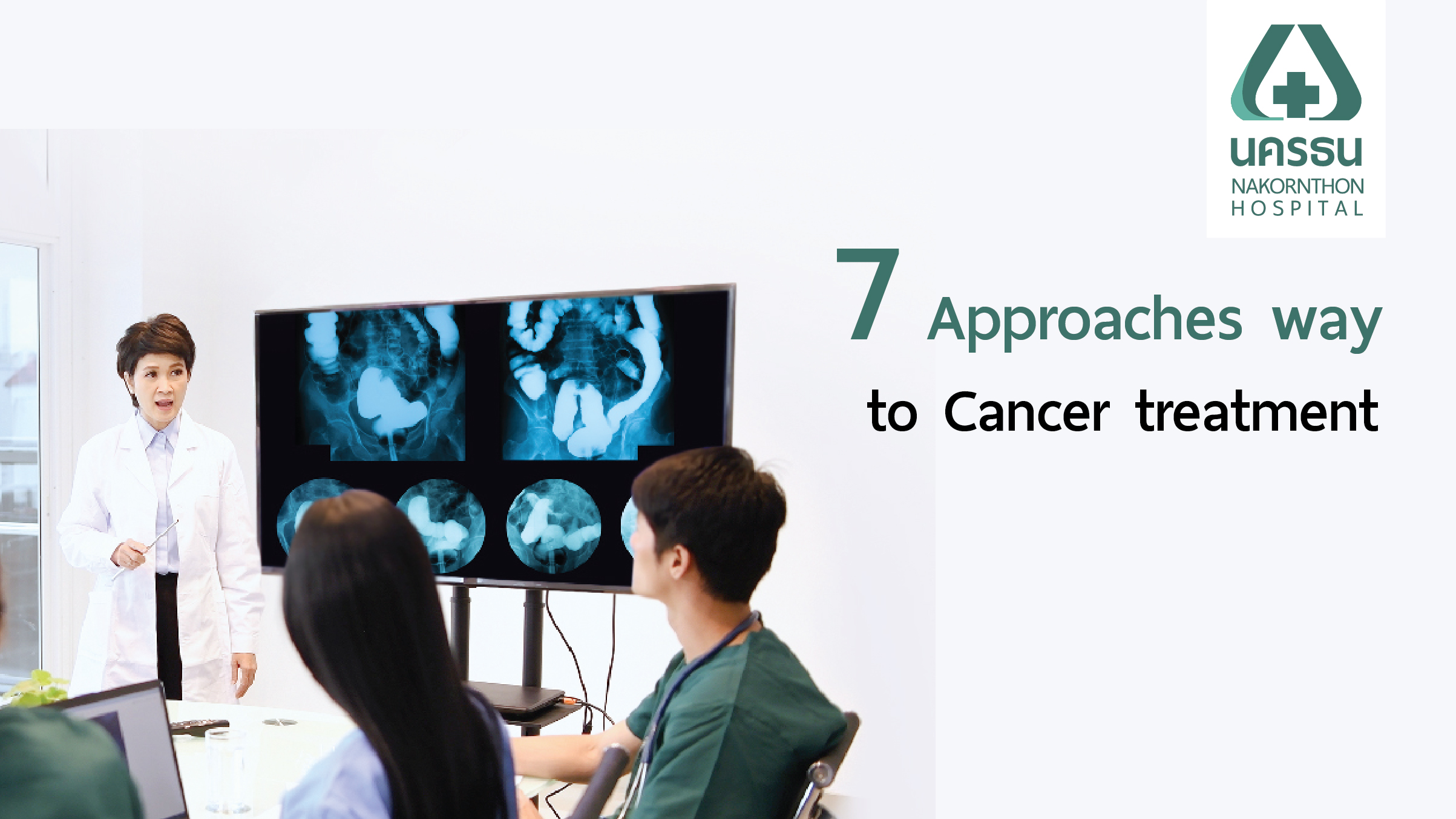
- There are several main types of cancer treatment, including surgery, chemotherapy, radiation therapy, targeted therapy, immunotherapy, stem cell transplant, and image-guided procedures such as RFA and TACE.
- Most patients receive a combination of treatments rather than just one, with the plan personalized to cancer type, stage, location, age, general health, and treatment goals.
- The main difference in chemotherapy vs radiation therapy is reach. Chemotherapy is systemic and travels through the bloodstream, while radiation therapy is targeted at a specific area.
- Side effects depend on the treatment type, but most are temporary and can be managed with supportive care from a specialist team.
- Early detection through structured cancer screening greatly improves the chance of cure and often allows for less extensive treatment.
- Nakornthon Cancer Center provides comprehensive, multidisciplinary cancer care in Bangkok, with tumor board reviews, modern equipment, and individualized treatment plans.
Cancer remains the leading cause of death in Thailand, affecting people of all ages but most commonly diagnosed in adults over 50. The good news is that cancer care has changed dramatically. Today's types of cancer treatment are more precise, more personalized, and often more effective than the options available even a decade ago. A cancer diagnosis no longer means a single fixed pathway. Most patients now receive a tailored combination of therapies designed to give them the best possible outcome.
This guide walks through the main cancer treatment methods explained in plain language, how doctors decide between them, and what to expect at each stage. It is written for patients and families seeking clarity before, during, or after a diagnosis.
How Is Cancer Treated? An Overview
The question of how cancer is treated rarely has a single answer. Modern cancer care draws from several methods, including surgery, chemotherapy, radiation therapy, targeted therapy, immunotherapy, stem cell transplant, and image-guided procedures such as radiofrequency ablation. The exact plan depends on the cancer's type, stage, and location, along with the patient's age, general health, and treatment goals.
Most patients receive more than one type of treatment over the course of their cancer journey, often in a carefully planned sequence. Surgery may come first, followed by chemotherapy to eliminate microscopic disease. Radiation may be added to control a specific area. This is what oncologists call multimodal or combination therapy, and it is the standard of care for the majority of cancers today.
Table of Contents
- How Is Cancer Treated? An Overview
- Cancer Stages: A Quick Reference
- Types of Cancer Treatment Methods
- How Is Treatment Chosen? Combination Therapy Explained
- Side Effects of Cancer Treatment and What to Expec
- Why Early Detection Matters and the Role of Cancer Screening
- Cancer Treatment at Nakornthon Hospital
- Frequently Asked Questions About Cancer Treatment
- Free Online Consultation with a Specialist
Cancer Stages: A Quick Reference
Cancer staging describes how far the disease has spread at the time of diagnosis. Stage is one of the most important factors in choosing treatment and predicting outcomes.
For stages 1 to 3, the goal of treatment is typically a cure. For stage 4, the goal shifts to controlling the disease, relieving symptoms, and maintaining the best possible quality of life for as long as possible.
Types of Cancer Treatment Methods
Nowadays, medical technology has been developed. As a result, there are many approaches to treating cancer, as follows:
Chemotherapy
Chemotherapy uses anti-cancer drugs to kill rapidly dividing cells or stop them from growing. It can be given by intravenous drip, injection, or oral tablets and works systemically by traveling through the bloodstream. This makes it useful for cancers that have spread, as adjuvant therapy after surgery, or to shrink a tumor before local treatment.
Radiation Therapy
Radiation therapy uses high-energy rays or particles to destroy cancer cells in a specific area. It can be delivered from outside the body (external beam radiation) or from radioactive sources placed close to or inside the tumor (brachytherapy). Each session damages the DNA of cancer cells, and over many sessions, the cells lose their ability to repair themselves and die. Radiation is often combined with surgery or chemotherapy to improve disease control.
Chemotherapy vs Radiation Therapy and the Key Differences
One of the most common patient questions is about chemotherapy vs radiation therapy. Both are effective, but they work in fundamentally different ways.
Targeted therapy
Targeted therapy uses drugs that specifically attack cancer cells with certain genes, proteins, or signaling pathways, while sparing more healthy cells. These medicines can block growth signals, cut off the blood supply to tumors, or flag cancer cells for the immune system to destroy. Targeted drugs can be divided into 2 main groups:
- Small- molecule drugs are extraordinarily small in molecular size, that can penetrate through cancer cell membranes and can destroy cancer cells inside.
- Monoclonal antibodies are synthetic proteins that target cancer cells and prevent them from being destroyed or growing further.
Immunotherap
Immunotherapy helps the body's own immune system recognize and attack cancer cells more effectively. It is considered to be using our own body's immune system to fight cancer cells directly. Currently, research studies are confirming the use of immunotherapy in many types of cancer, such as lung cancer, breast cancer, liver and biliary tract cancer, stomach cancer, uterine cancer, and melanoma skin cancer, etc.
Surgery
Cancer surgery involves removing the tumor and, in many cases, a small margin of surrounding tissue and nearby lymph nodes. Techniques range from traditional open surgery to minimally invasive approaches such as laparoscopic surgery and robotic-assisted surgery, which use smaller incisions, cameras, and precision instruments. For some cancers, organ-conserving options such as breast-conserving surgery allow removal of only the tumor instead of the entire organ.
Radiofrequency Ablation (RFA)
Radiofrequency ablation uses heat generated by high-frequency electrical currents to destroy cancer cells. A thin needle is inserted into the tumor under imaging guidance, and energy is applied to burn or ablate the cancer tissue. RFA is commonly used for small liver tumors and can be an option for patients who are not suitable for surgery.
Transarterial Chemoembolization (TACE)
Transarterial chemoembolization delivers chemotherapy directly into the blood vessel feeding a liver tumor and then blocks that vessel with tiny particles. This concentrates the drug in the tumor while limiting exposure to the rest of the body and starves the cancer of its blood supply. TACE is frequently used for liver cancer in patients who cannot undergo surgery or transplantation.
How Is Treatment Chosen? Combination Therapy Explained
Most patients receive a combination of treatments rather than a single method, and the plan is built around several key factors:
- Cancer type. Breast, colon, lung, liver, and blood cancers each respond best to different combinations of therapies.
- Stage and spread of disease. Localized cancers may be cured with surgery alone, while advanced cancers usually need systemic treatment.
- Tumor location and operability. Some tumors can be removed surgically, while others are managed with radiation or systemic therapy first.
- Patient age and general health. Existing medical conditions can influence which treatments are safe and tolerable.
- Biopsy, imaging, and molecular tests. These results identify specific tumor characteristics that may unlock targeted therapy or immunotherapy options.
- Treatment goals and patient preferences. Plans differ when the goal is cure compared with control or symptom relief.

Side Effects of Cancer Treatment and What to Expectt
Side effects vary with the type of treatment, the dose, and each person's individual health, but many are temporary and can be managed with supportive care.
Your care team will explain expected side effects in advance and provide medications and supportive care to help you manage them throughout treatment.
Why Early Detection Matters and the Role of Cancer Screening
Early detection greatly improves the chances of curing many cancers and often allows for less extensive treatment. Screening tests such as mammograms, Pap smears, colonoscopy, and low-dose CT scans in high-risk groups can find cancer at an earlier, more treatable stage. A structured cancer screening program, guided by your age and personal risk factors, helps identify problems before symptoms appear and can save lives by enabling timely treatment at a specialized cancer screening hospital.
Cancer Treatment at Nakornthon Hospital
As a leading cancer hospital in Bangkok, patients trust, Nakornthon Cancer Center provides comprehensive cancer treatment with a multidisciplinary team of oncologists, surgeons, radiologists, pathologists, and specialized nurses. The center is built around a Tumor Board model, where each patient's case is jointly reviewed by specialists to design the most effective, individualized treatment plan.
Patients benefit from modern diagnostic tools, advanced radiation equipment, systemic therapies including targeted therapy and immunotherapy, and supportive care services under one roof. Our care extends from prevention and early screening through diagnosis, active treatment, and survivorship follow-up.
If you have concerns about cancer symptoms, are considering a screening program, or have recently received a diagnosis and want a second opinion, our specialist team is here to help. Make an Appointment or contact us to discuss your options with a cancer specialist.
Make an Appointment or find a doctor for a free online consultation
Make an appointment with a fertility specialist today, or contact us for an initial consultation to discuss your options.
- Cancer Center Hours: Monday, Tuesday, Thursday, Friday 08:00 to 17:00. Wednesday 08:00 to 12:00. Cancer Center Fl.1 (inside Medical Center)
- Facebook Fanpage: Nakornthon Hospital - International Patient
- LINE Official: @nakornthoninter
- Tel: 02-450-9999 (Available 24 hours)
Frequently Asked Questions About Cancer Treatment
-
Q: What is the best type of cancer treatment for me?
A: There is no single best treatment for all cancers. The right plan depends on the type of cancer, its stage, where it is located, your age and general health, and the results of biopsy and molecular tests. Most patients receive a combination of treatments rather than just one. At a specialist cancer center, your case is typically reviewed by a multidisciplinary tumor board, which recommends the combination of therapies most likely to give you the best outcome.
-
Q: Can cancer be treated without chemotherapy?
A: Yes, some cancers can be treated without chemotherapy, particularly early-stage cancers that can be removed surgically or controlled with radiation, targeted therapy, or immunotherapy. Other patients may avoid chemotherapy if molecular testing shows their tumor responds well to targeted drugs. However, chemotherapy remains an important option for many cancers, especially those that have spread or carry a high risk of recurrence. Your oncologist will explain whether non-chemotherapy options are appropriate for your situation.
-
Q: How long does cancer treatment usually take?
A: The total length of cancer treatment varies widely. A single surgery may take only a few hours, while chemotherapy or radiation regimens often run over weeks or months. Adjuvant therapy after surgery may continue for six months to a year, and some targeted therapies or immunotherapies are taken for years. Your oncologist will give you a personalized treatment timeline once your full plan is confirmed.
-
Q: How will I know if my cancer treatment is working?
A: Your medical team monitors treatment response through a combination of physical examinations, blood tests, tumor marker levels, and imaging scans such as CT, MRI, or PET. Some responses are visible within weeks, while others take months to assess. If a treatment is not working as expected, your oncologist may adjust the dose, switch to a different therapy, or add another method. Open communication with your care team is essential at every stage.
Free Online Consultation
Article of Cancer Center