Colonoscopy: Procedure Steps, Preparation Tips & What to Expect
Center : Gastrointestinal and Liver Center
Article by : Dr. Sombun Rungjiratananon
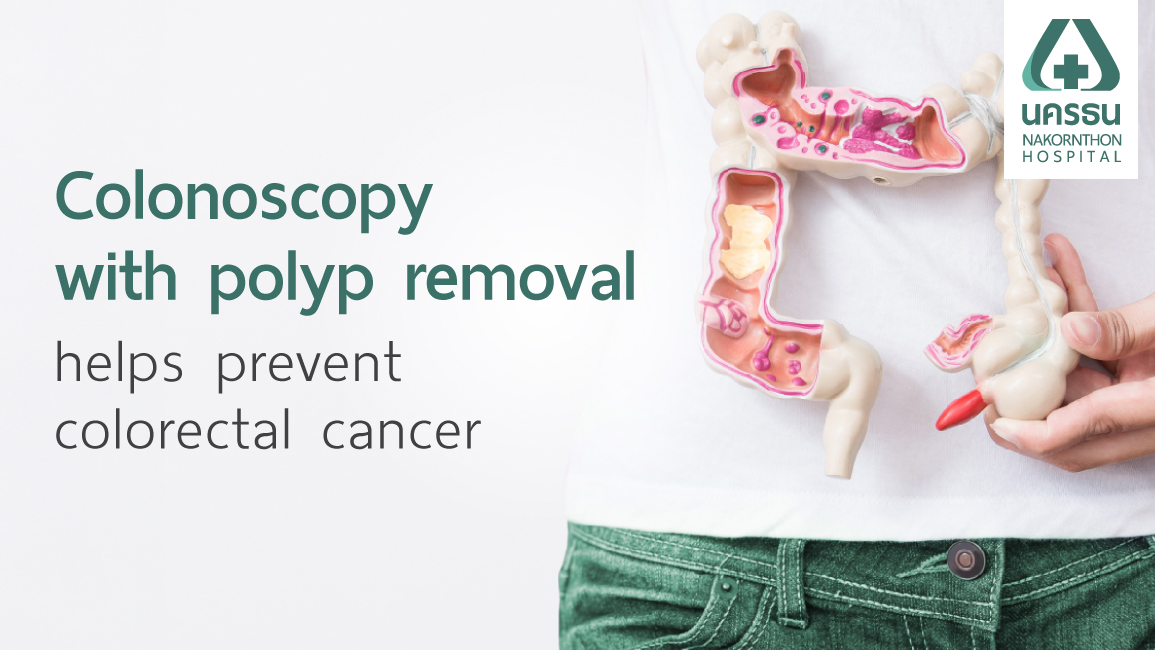
- A colonoscopy is both a screening and a treatment procedure. It detects abnormalities in the colon and rectum, and polyps found during the examination can be removed immediately in the same session.
- Colorectal cancer is highly preventable when polyps are identified and removed before they become malignant. A colonoscopy is the most comprehensive single tool for doing this.
- Routine screening is recommended from age 45 for average-risk adults, and earlier for anyone with a family history, prior polyps, or current symptoms.
- Preparation is the most critical factor in colonoscopy quality — a thoroughly clean colon allows the doctor to see every part of the lining clearly.
- The procedure takes around 45 minutes under sedation; total time, including preparation and recovery, is approximately 2–3 hours.
- Post-procedure recovery is minimal — most patients resume normal eating and light activity the same day.
- Nakornthon Hospital's Gastrointestinal Center provides dedicated endoscopy suites, bowel preparation rooms, and a recovery area, with specialist gastroenterologists performing all procedures.
Colonoscopy plays a crucial role in detecting and preventing colorectal cancer, which is the most common cancer of the digestive system, with new incidence rates and mortality rates ranking among the highest. This rise in occurrence is due to changes in human lifestyle that have increased risk factors, including work-related stress, eating behaviors, and self-neglect of health, which create gaps for colorectal cancer to develop unnoticed. Prevention and care through screening, including colonoscopy for colorectal cancer detection, is the best approach.
Table of Contents
- What is Colonoscopy?
- Why Should You Have a Colonoscopy on Your Schedule?
- Preparation Tips: Before a Colonoscopy
- Colonoscopy Procedure Steps
- Post-Colonoscopy Instructions
- Colonoscopy Risks & Possible Complications
- Why Schedule a Colonoscopy at Nakornthon Hospital
- Frequently Asked Questions (FAQs) About Colonoscopy
- Free Online Consultation with a Specialist
What is Colonoscopy?
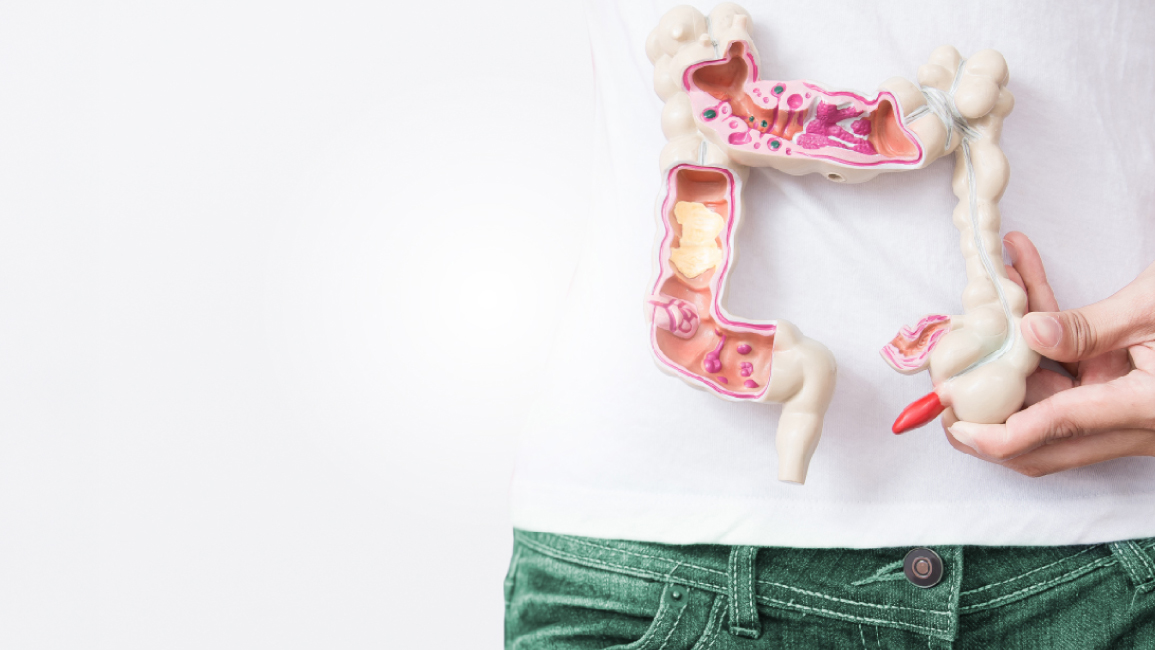
Colonoscopy is a screening procedure for colorectal cancer. It helps treat noncancerous tumors growing in the colon wall by using a small, highly flexible camera about the thickness of a finger. The device used for the exam is called a colonoscope, allowing doctors to view the images and then upload them to a monitor to analyze and make an accurate diagnosis. In this context, abnormal biopsies can be taken and sent for examination, and small polyps can be removed.
When to get a colonoscopy? Colonoscopy should be performed in individuals with the following symptoms:
- Abnormal bowel movements such as chronic constipation, chronic diarrhea, or alternating constipation and diarrhea
- Blood in stool, which may be bright red or dark in color, with an unusual foul odor
- Protrusion of tissue masses from the anus during bowel movements with bleeding
- Abdominal tightness, bloating, distension, and abdominal pain
- Abdominal masses, weight loss, pallor, and fatigue
- Even without symptoms, individuals aged 45 years and above should undergo a routine rectal examination by colonoscopy every 3-5 years
- If you have a first-degree family history of colorectal cancer or polyps, screening should begin earlier, usually 10 years before the age at which your relative was diagnosed, or at 40, whichever comes firs
Why Should You Have a Colonoscopy on Your Schedule?
The honest answer is that colorectal cancer rarely announces itself early. Most people diagnosed with advanced colorectal cancer had no meaningful warning signs while the disease developed. The symptoms that eventually prompted them to seek help appeared only after the cancer had already progressed.
When performed routinely, colonoscopy can detect cancer early:
- Polyps are found and removed before they become cancerous. It is not just early detection; it is genuine prevention
- Early-stage cancer, when found, is highly treatable
If you are 45 or older and have not had a colonoscopy, adding one to your annual health check-up schedule is one of the most direct things you can do to protect your long-term digestive health.
Preparation Tips: Before a Colonoscopy
Patients undergoing colonoscopy will receive dietary instructions before the examination to adjust colon function for colonoscopy preparation. A thoroughly cleaned colon allows the doctor to see every centimeter of the lining clearly. General colonoscopy preparation tips include:
Three Days Before the Procedure
- Switch to a low-residue, easily digestible diet: rice porridge, rice soup with fish, white bread, plain noodles, eggs, and milk are appropriate choices
- Avoid high-fiber foods completely: vegetables, fruits, whole grains, seeds, and nuts all leave residue in the colon that is difficult to clear with laxatives alone
- Drink adequate fluids throughout these three days
The Day Before the Procedure
- Take the laxative preparation prescribed by your doctor at the exact time and in the exact amount specified — do not adjust the dose
- After each bowel movement, drink one glass of water or clear liquid to stay hydrated and support the cleansing process
- Continue drinking clear liquids (water, clear broth, plain juice without pulp) until the fasting period begins
The Night Before and Morning of the Procedure
- Fast from all food and water for at least 6 hours before the examination, or as directed by your doctor
- Do not take any medications that have not been specifically cleared by your doctor for the morning of the procedure
- Arrange for a companion to take you home after the examination as you will not be able to drive for at least 24 hours after sedation

Colonoscopy Procedure Steps
Step 1 — Positioning and Sedation
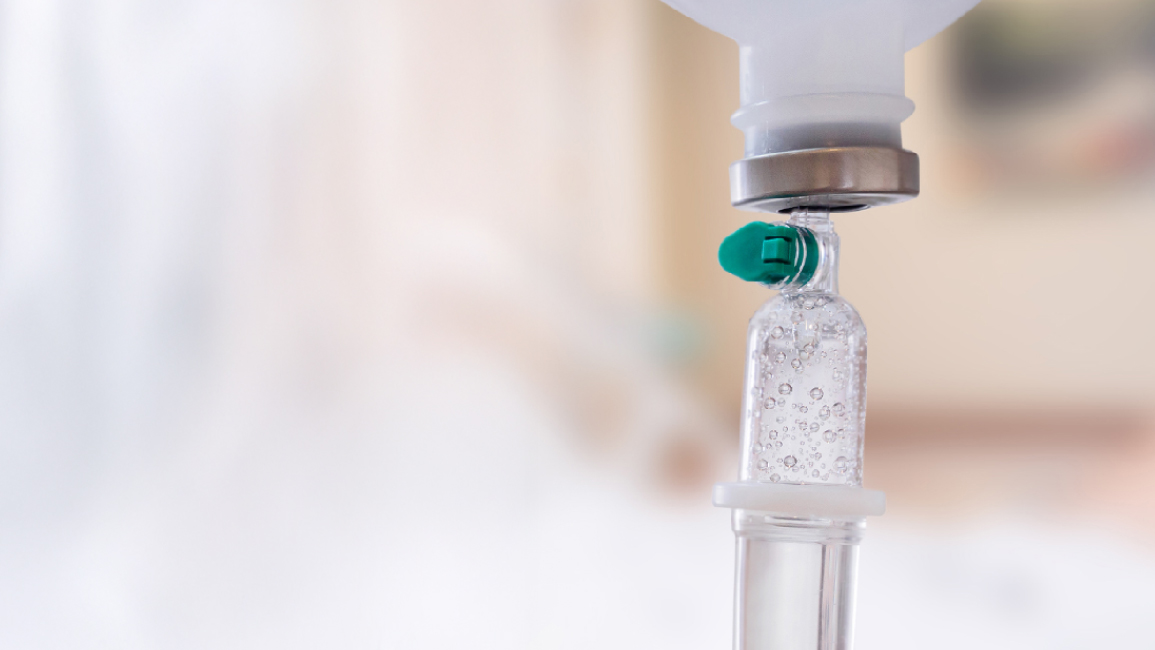
The colonoscopy procedure steps include the doctor having the patient lie on their side with their knees drawn up. An intravenous line is placed, and sedation is administered. Once the patient is comfortable and the medication has taken effect, the examination begins.
Step 2 — Scope Insertion
The gastroenterologist gently inserts the colonoscope through the anus and advances it carefully through the rectum and the full length of the colon, all the way to the cecum at the junction with the small intestine. The entire inner surface of the intestine is then examined thoroughly.
Step 3 — Insufflation and Examination
As the scope advances and then withdraws, a small amount of air or carbon dioxide is introduced to gently expand the colon walls, giving the camera a clear view of the lining. Some patients experience a mild urge to pass wind or mild abdominal pressure during this stage — breathing slowly and staying relaxed helps manage this. If discomfort becomes significant, the doctor can suction the air immediately.
Step 4 — Biopsy and Polyp Removal
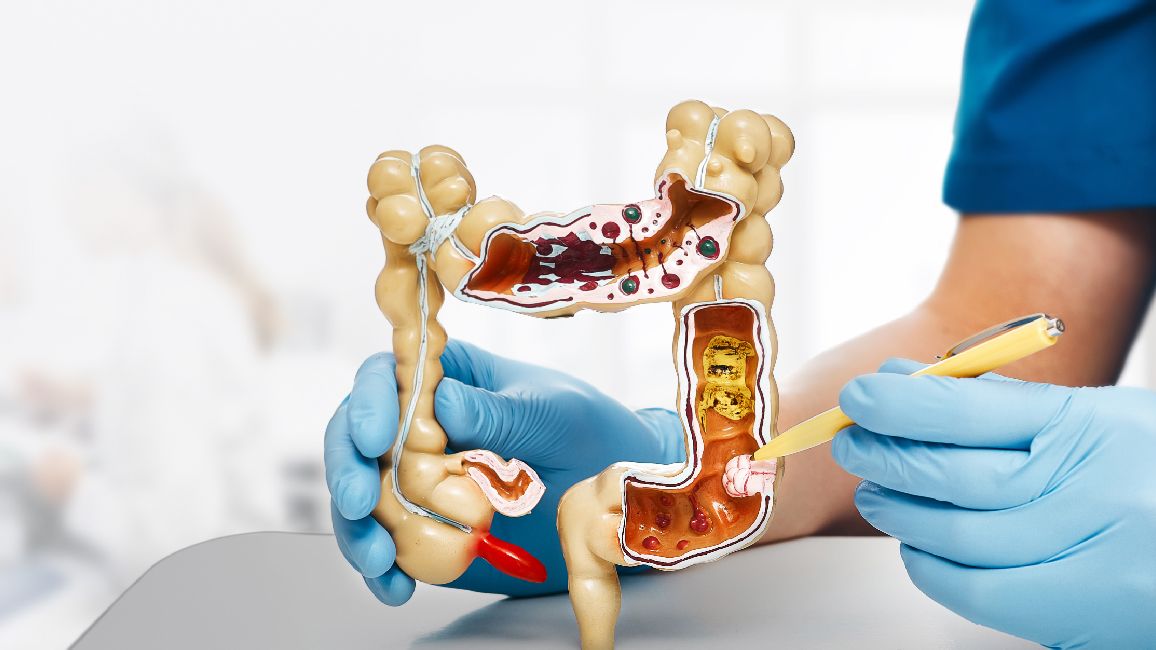
If the doctor identifies any polyps, abnormal growths on the colon lining, they are removed immediately using small instruments passed through the scope. Polyps vary in size, shape, and type; most are benign, but all are removed to prevent future malignant transformation. If any area of the lining looks unusual, a small tissue sample (biopsy) is taken for laboratory analysis. Both procedures are performed without any additional incisions.
Step 5 — Scope Withdrawal and Recovery
The colonoscope is gently withdrawn while the doctor completes the final review of the colon lining. The examination itself typically takes no more than 45 minutes. Including pre-procedure preparation and recovery room rest after sedation, patients should plan for a total of approximately 2–3 hours at the hospital.
Post-Colonoscopy Instructions
After a colonoscopy, there may be bloating, distension, and gas from air insufflation during the procedure. These symptoms will resolve within 24 hours or less. Bowel movements may contain slight blood due to tissue sampling procedures. If abnormal symptoms occur, such as severe abdominal pain or excessive bleeding, seek medical attention immediately. Patients who receive intravenous sedation will be unconscious during the examination, so a family member or companion must supervise and monitor symptoms. Driving or operating machinery is prohibited for at least 24 hours.
If no abnormalities or polyps are found in the colon, your doctor may recommend a colonoscopy every 3 to 5 years for monitoring. Colonoscopy combined with polyp removal helps prevent cancer occurrence and reduces mortality rates from colorectal cancer. If lesions are detected before cancer development or early-stage cancer is found, prevention or treatment can be achieved promptly and effectively.
Colonoscopy Risks & Possible Complications
Colonoscopy is a safe procedure with a very low overall complication rate. Risks are further reduced when the procedure is performed by an experienced gastroenterologist in a properly equipped facility.
Common and minor side effects include bloating and flatulence from air insufflation, which resolves within hours. There may be minor bleeding at a biopsy site or after polyp removal, which usually stops on its own. Rare but possible complications include perforation (a tear in the colon wall), occurring in approximately 1 in 1,000 procedures, and more commonly associated with polyp removal than diagnostic colonoscopy alone. Significant bleeding after polyp removal or infection are also rare standard techniques and sterilization protocols in place.
The risks of an undetected colorectal cancer or missed polyp, when colonoscopy is indicated and not performed, are considerably greater than the procedure's complication risk for virtually all eligible patients.
Why Schedule a Colonoscopy at Nakornthon Hospital
Early detection through colonoscopy significantly reduces colorectal cancer mortality rates, making regular screening essential for individuals over 45 or those experiencing gastrointestinal symptoms.
A colonoscopy is a vital screening procedure for detecting and preventing colorectal cancer, the most common digestive system malignancy. The examination involves a comprehensive evaluation of the colon using advanced endoscopic technology, with the ability to remove polyps and obtain tissue samples for diagnosis.
For comprehensive colonoscopy services, Nakornthon Hospital's Gastrointestinal and Liver Center offers distinguished care with state-of-the-art therapeutic technology and standardized equipment. Our experienced physicians and well-trained medical team provide personalized, one-stop service, including dedicated endoscopy suites, bowel preparation rooms, and recovery facilities. With patient safety as our top priority, we utilize advanced protocols to minimize risk factors and reduce hospital stay duration.
For patients whose findings require further investigation or oncological management, Nakornthon's Cancer Hospital is close by. Contact Nakornthon Hospital today to schedule a colonoscopy or gastroscopy procedure and take a proactive step toward maintaining your digestive health.
For more information, please contact:
- Facebook Fanpage: Nakornthon Hospital - International Patient
- LINE Official: @nakornthoninter
- Tel: 02-450-9999 (Available 24 hours)
Frequently Asked Questions (FAQs) about Colonoscopy
-
Q: When should I get a colonoscopy at Nakornthon Hospital?
A: Adults with no symptoms and average risk should begin routine colonoscopy screening at age 45, repeated every 3–5 years if no abnormalities are found. If you have a family history of colorectal cancer, prior polyps, or inflammatory bowel disease, earlier and more frequent screening is recommended. If you have symptoms, such as blood in the stool, persistent bowel changes, unexplained abdominal pain, or unintentional weight loss, see a doctor for evaluation regardless of age.
-
Q: How accurate is a colonoscopy at detecting cancer?
A: Colonoscopy is the most accurate screening tool available for colorectal cancer. It directly visualizes the full colon lining and can detect polyps as small as a few millimeters, far smaller than other screening methods can reliably identify. When the bowel preparation is thorough and the procedure is performed by an experienced gastroenterologist, colonoscopy misses fewer than 5% of significant polyps. It is also the only screening tool that both detects and removes polyps in the same session.
-
Q: How long does a colonoscopy take at Nakornthon Hospital?
A: Normally, a colonoscopy procedure takes no more than 45 minutes. Including preparation time, examination, and leaving the room to recover all in all, it takes 2-3 hours.
-
Q: What can I eat before and after a colonoscopy?
A: In order to regulate the function of the colon before a colonoscopy, the patient must eat a low-digestion diet for 3 days before the colonoscopy and avoid high-fiber foods such as vegetables and fruits. After a colonoscopy, the patient will be able to eat normally
-
Q: Is a colonoscopy a surgery?
A: Colonoscopy is not a surgical procedure. It is used to detect abnormalities in the colon. It is performed with a small, highly flexible camera about the thickness of a finger. It looks like a tube that is inserted through the anus into the rectum and examines the entire colon, which is fitted with a lens and then transferred to the screen so that the doctor can make an accurate diagnosis.
-
Q: Is colonoscopy painful
A: After a colonoscopy, you may experience bloating and indigestion that come from the wind during the colonoscopy; these can subside within 24 hours or less. Stool may contain some blood as a biopsy is taken. If you experience abnormal symptoms such as severe abdominal pain or abnormal bleeding, you should see a doctor.

Free Online Consultation
Article of Gastrointestinal and Liver Center